

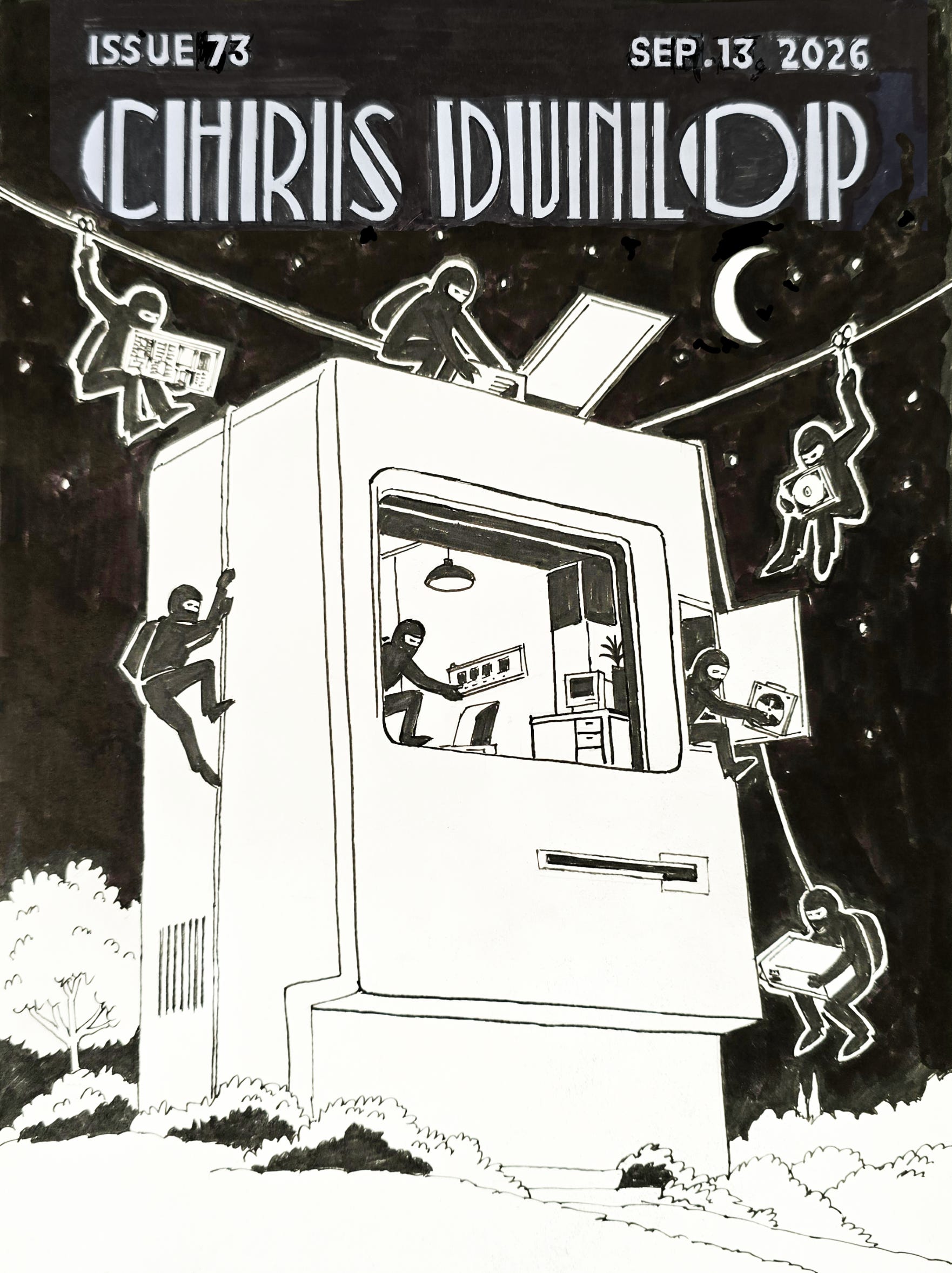
I have a new approach to life and its called be really really stingy with any software bill to save money.
Doing this I have built my own version of Canva.

Does it have every feature that Canva has? No.
Do it have the 6 features that I need? Yes.
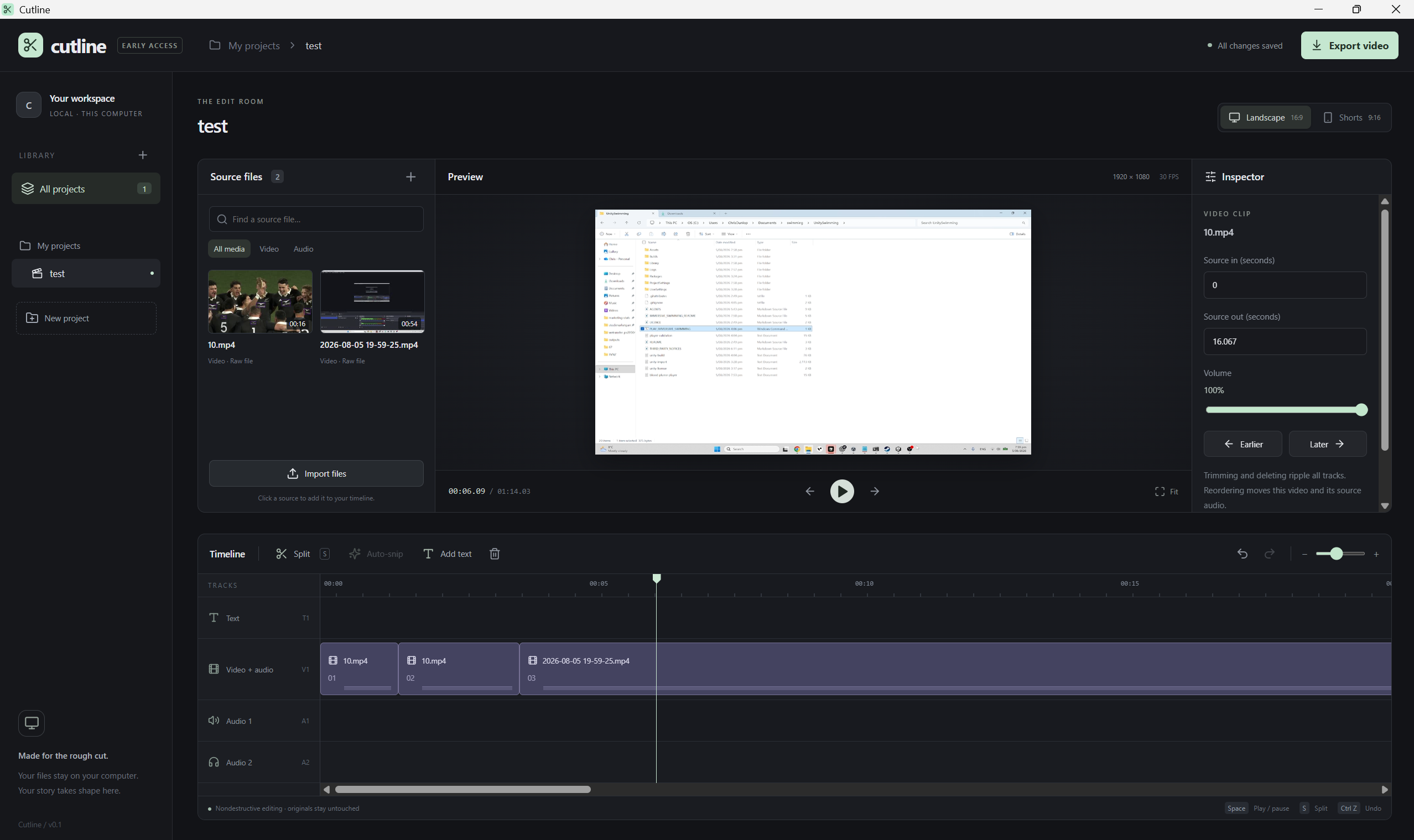
I’ve done the same with my own video editing software
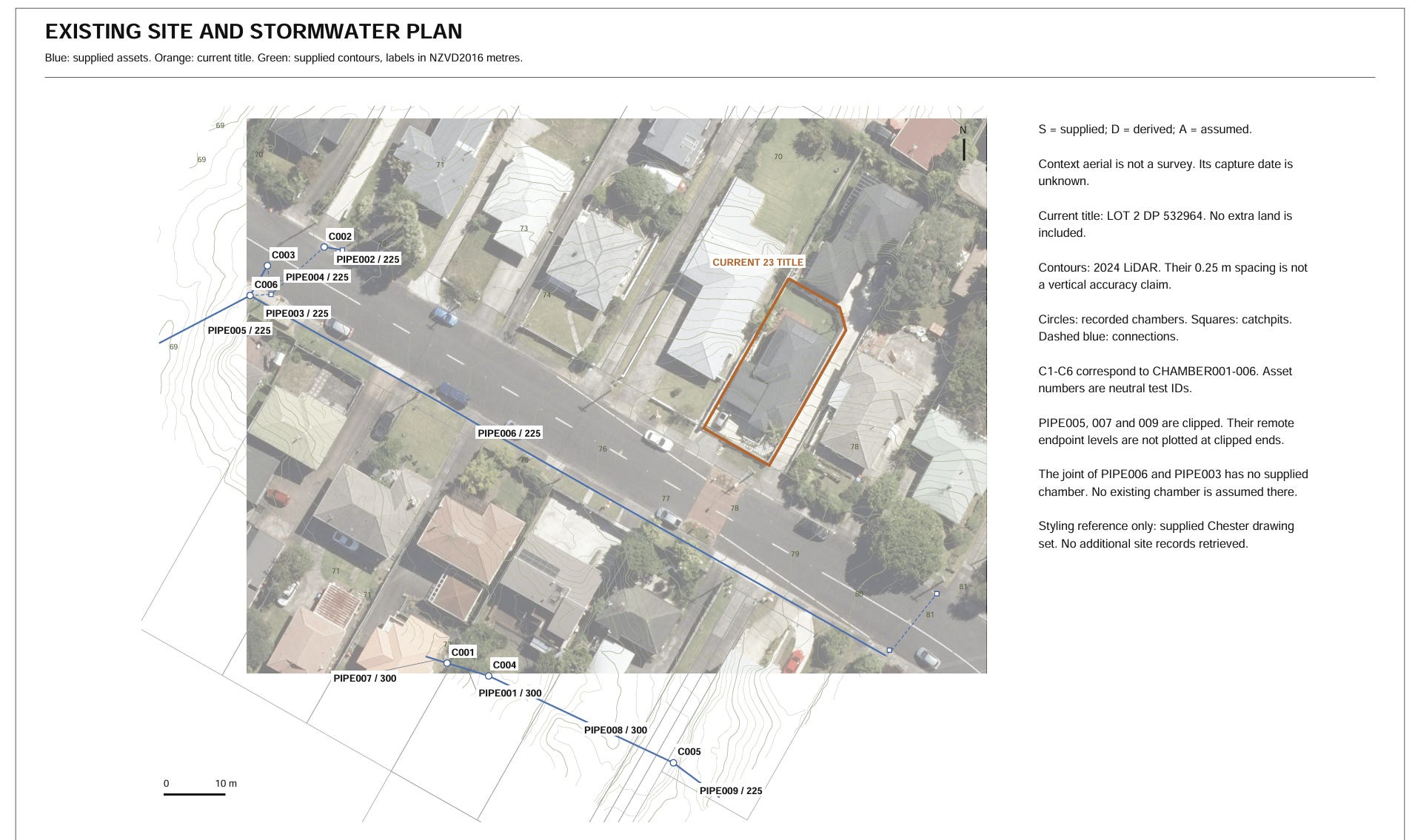
And my own CAD software
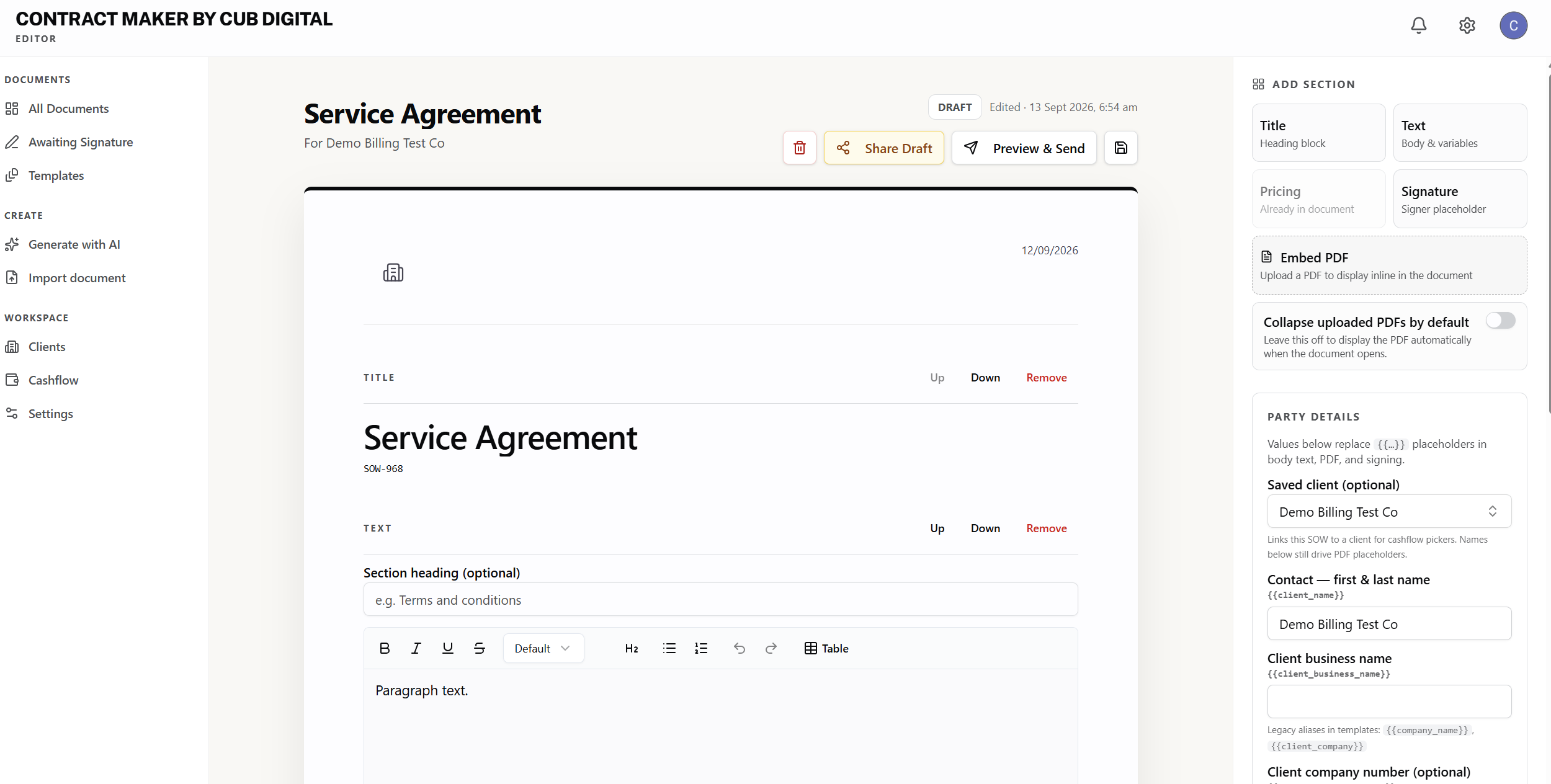
We now have our own AI contract making software. This has replaced PandaDocs for us.
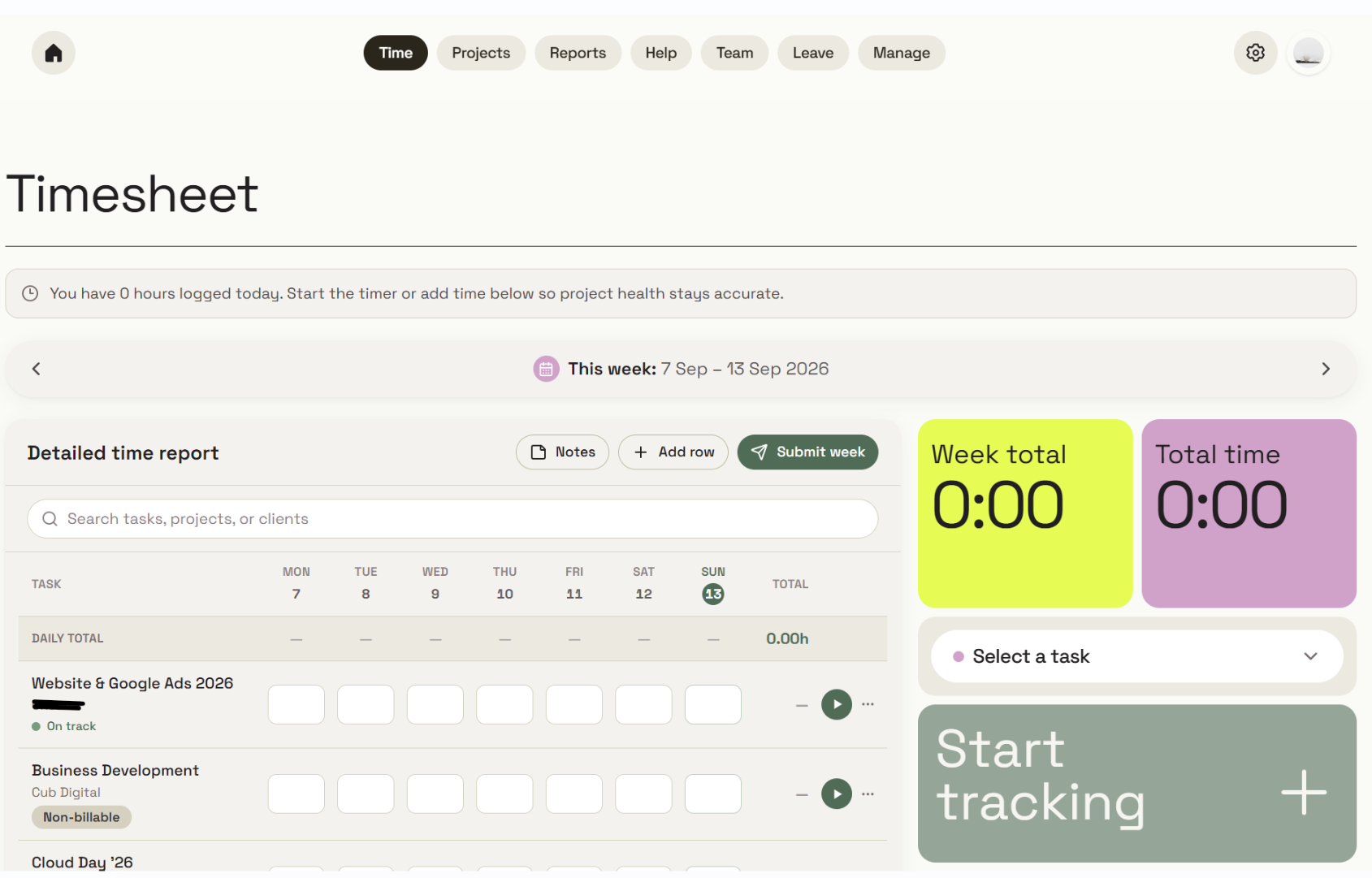
We also have our own timesheet software
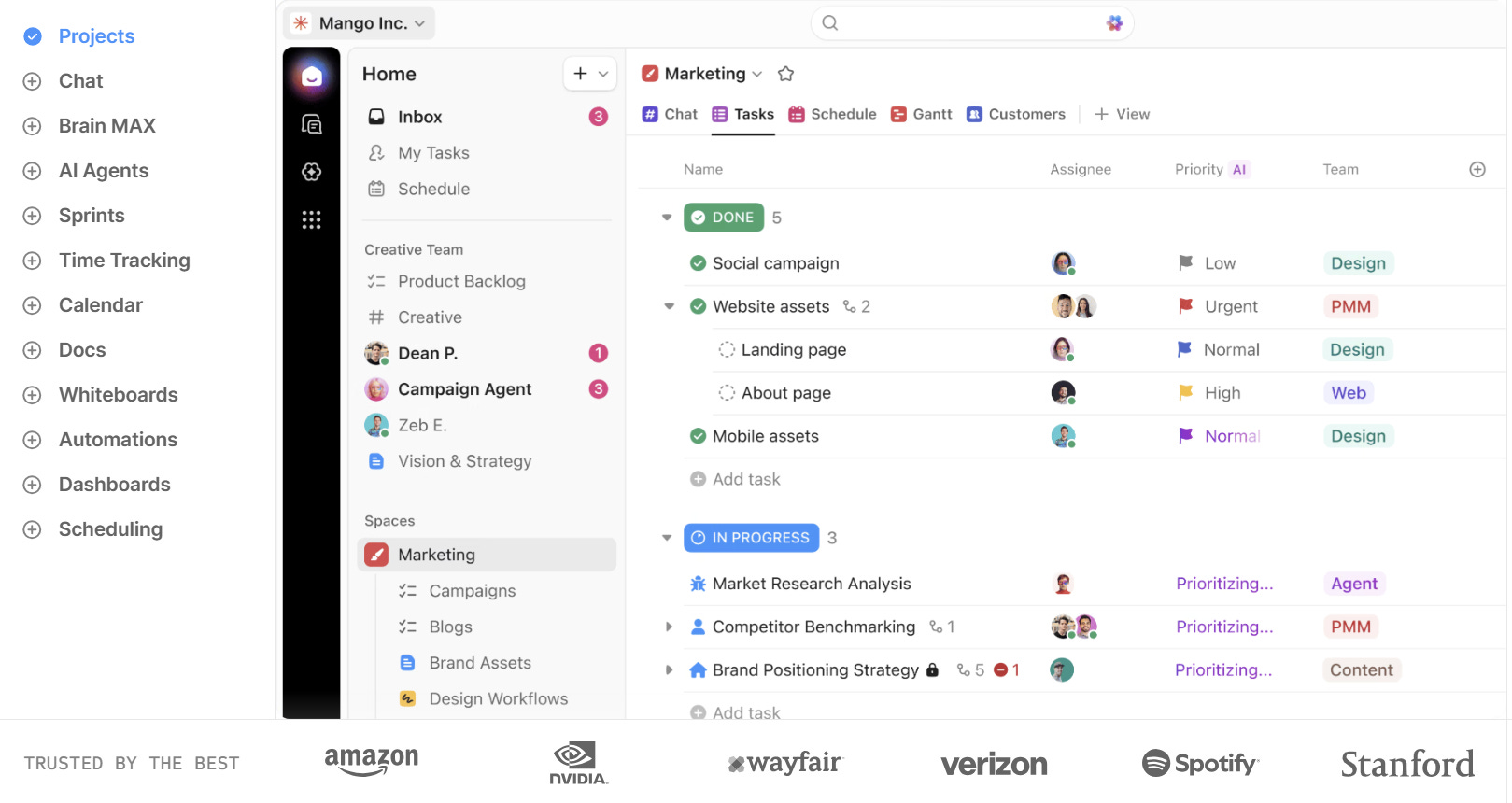
And now we are replacing ClickUp which cost us $5,000 a year.
I’ve built my own AI agent coding programme.
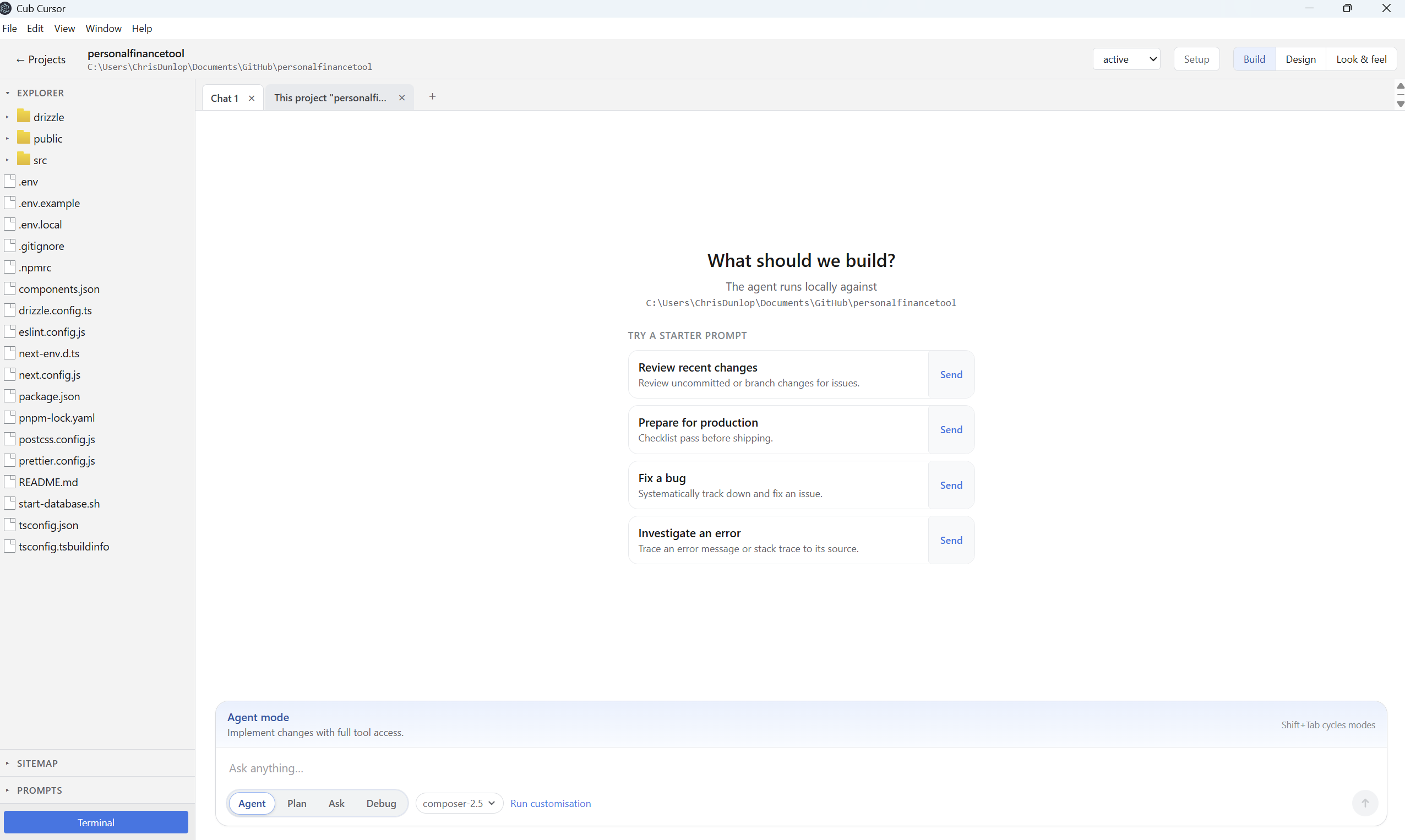
It has inbuilt design styles in there.
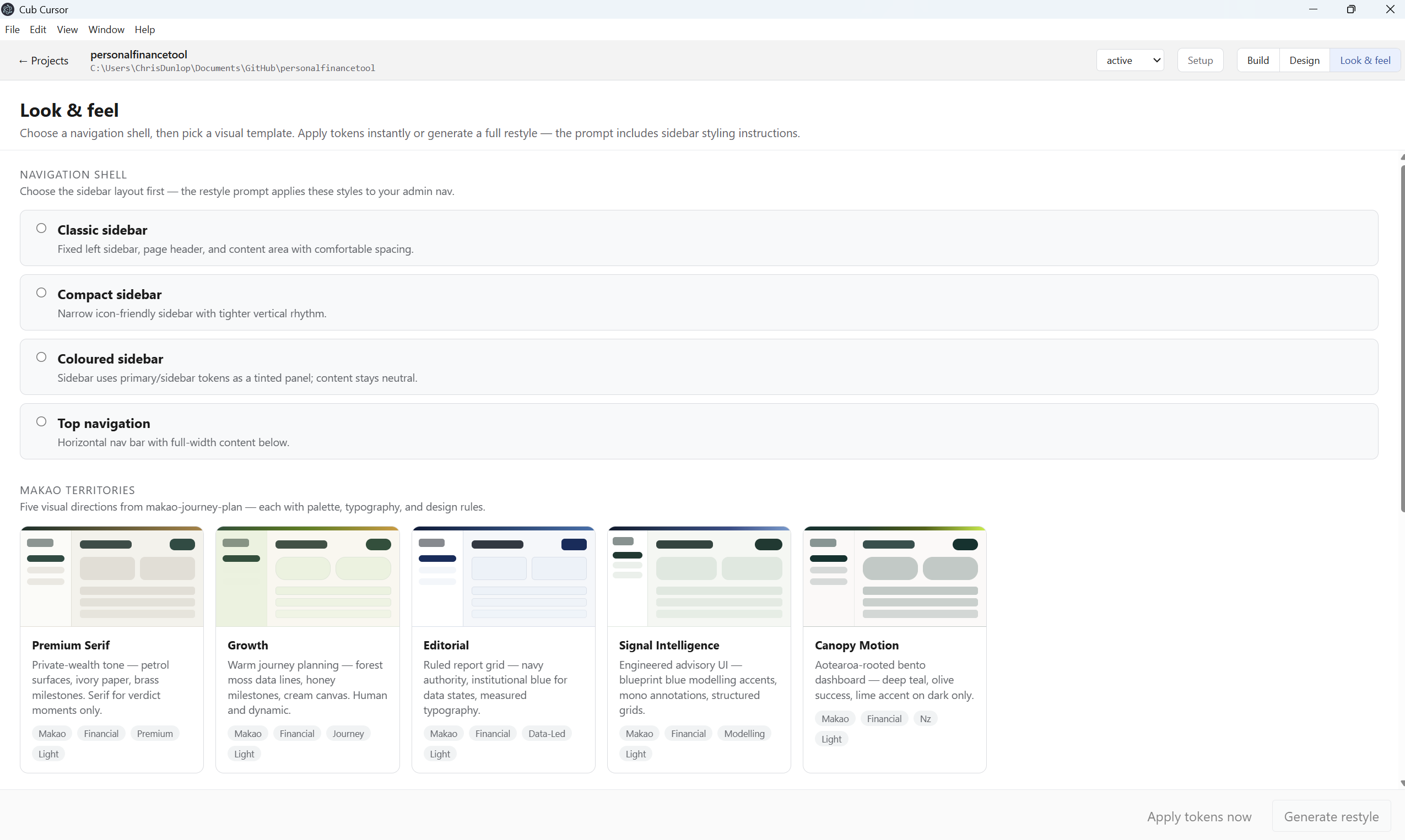
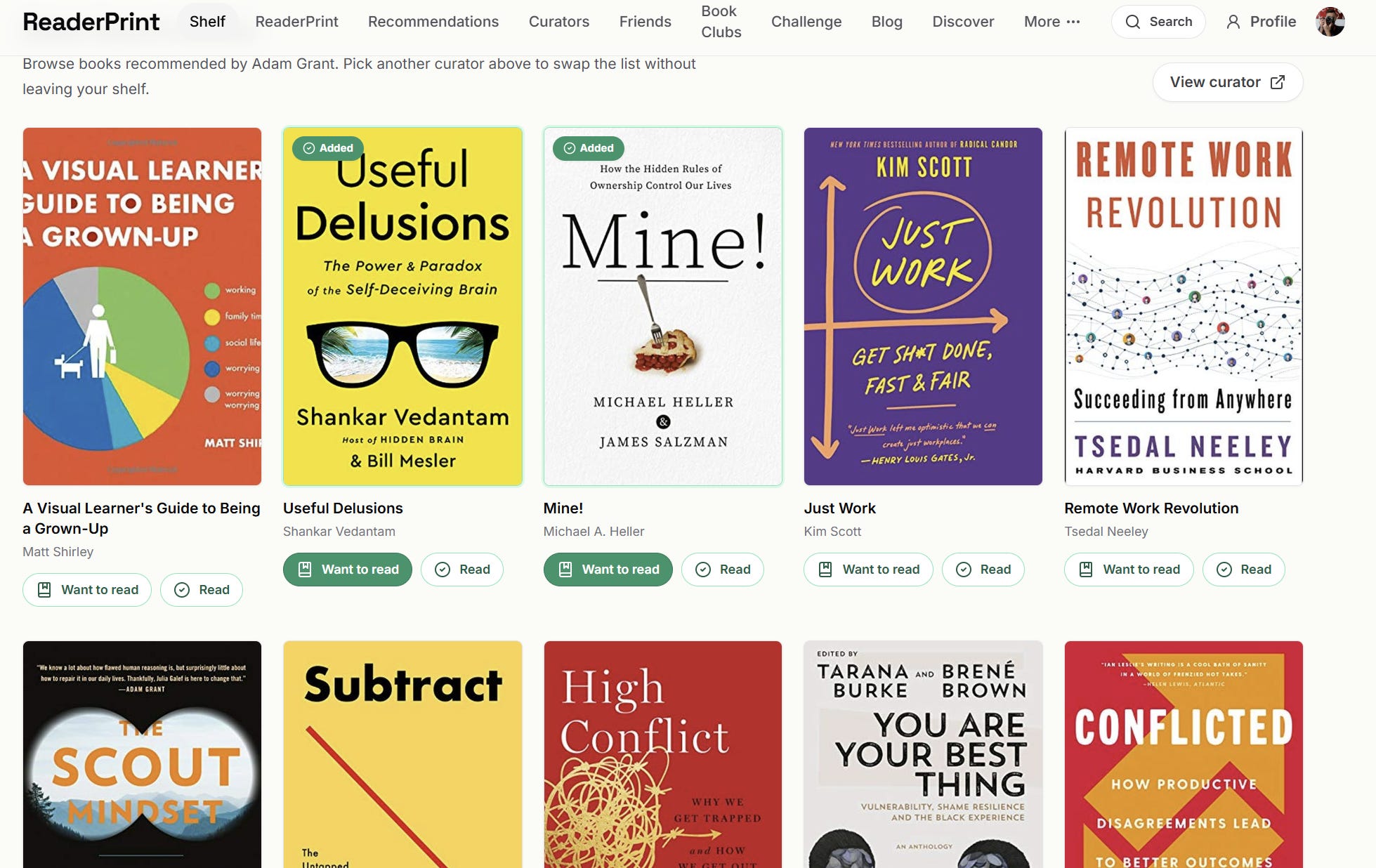
I’ve built my own Goodreads.
Lets add up the cost of all the things listed here.
Canva $20 a month
Premiere Pro $100 a month
PandaDocs $160 a month
Timesheet $500 a month
Task management system $500 a month
Our own CRM with email reading $200 a month
That is $1,480 a month or $17,760 a year. I don’t even have a big team either that is for a team of 12. Think about the savings for larger companies. It quickly gets into the hundreds of thousands per year.
The entrenched wisdom in business is that you shouldn’t do what I have done. Basically it boils down to:
“You should focus on giving value to your customer”
“You shouldn’t reinvent the wheel”
“It’s a distraction”
“Now you have to maintain that software.”
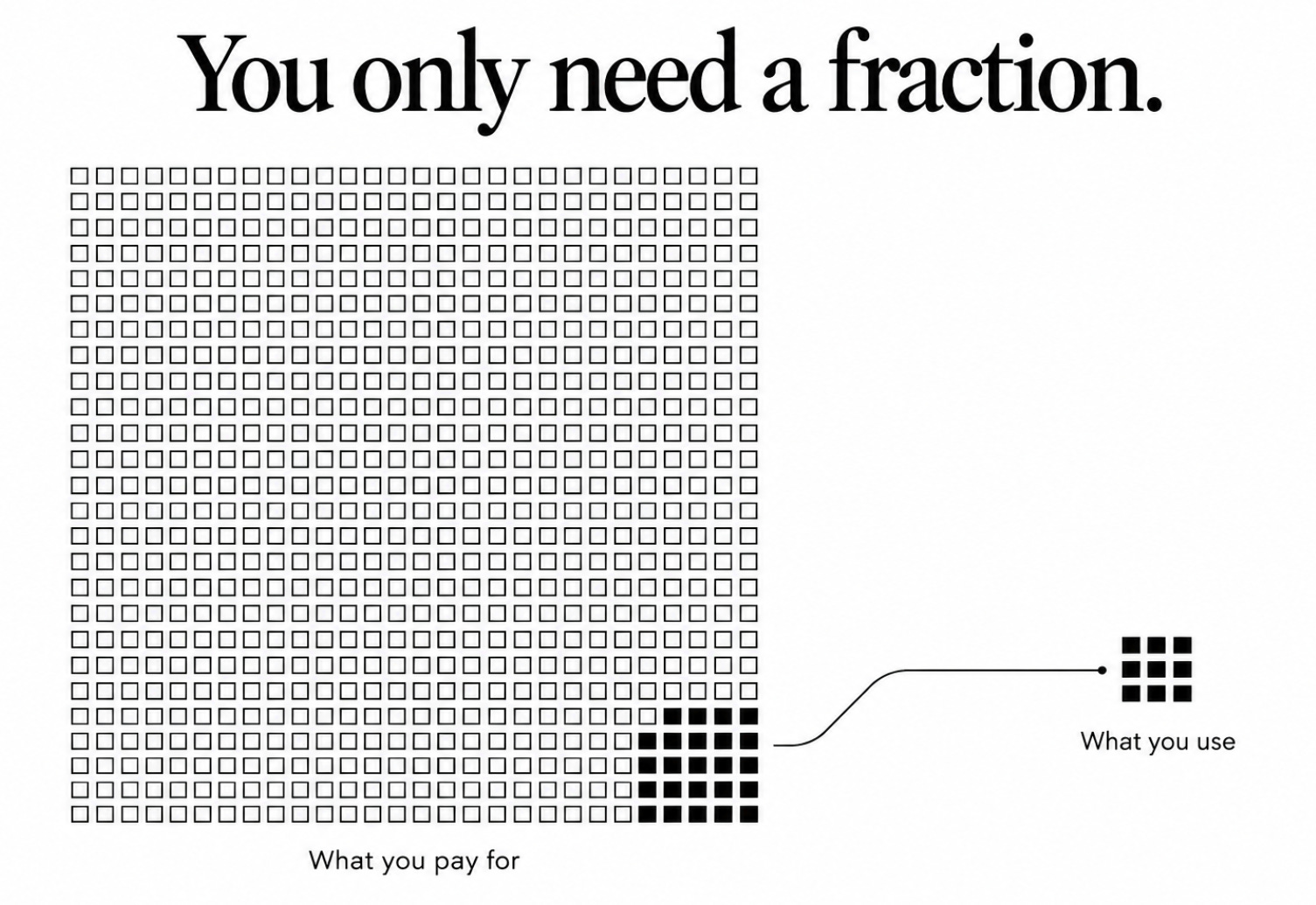
But the problem I have is that we have too many products charging us too much for stuff we don’t need or use. Sure the above advice is sound if you only have to pay for one tool, but often you have to pay for dozens of tools.
The net effect is that quickly you end up spending close to $20,000 a year for what is actually now straightforward systems to replace.
I want to refute these points one by one.
“You should focus on giving value to your customer.” - The problem with this statement is it implies the off the shelf tools are actually really good. On plenty of them I stumble around not really knowing how to do what I want or it is inefficient. This takes up time which means I have less time to give to customers. The biggest example of this was our contract making tool, it took ages using PandaDocs and we can now do quotes in 1/20th of the time. That means I now have more brain space to spend on giving value to my customers.
“You shouldn’t reinvent the wheel”. Same as above, most of the tools out there have dumb wheels.
“Its a distraction.” I do agree with this one, it can be a distraction. You have to balance that by keeping the scope small. The way you balance this is just picking off one thing at a time.
“Now you have to maintain the software.” People always make out that software is like some lurking zombie that is just going to randomly blow up and have everything break on some random day. My experience is that things just work and then continue to work for ages without me having to do anything. Sure maybe the odd bug once or twice a year but that is all.
In conclusion I think all of the entrenched wisdom is for an old world that we no longer live in.
The biggest mistake I think that most businesses are making right now is buying old paradigm systems off the shelf for inflated prices.
So if I was you here is what I would be doing
The thing with software is that some systems are easier than others to build for yourself.
What we are looking for is a gazelle.
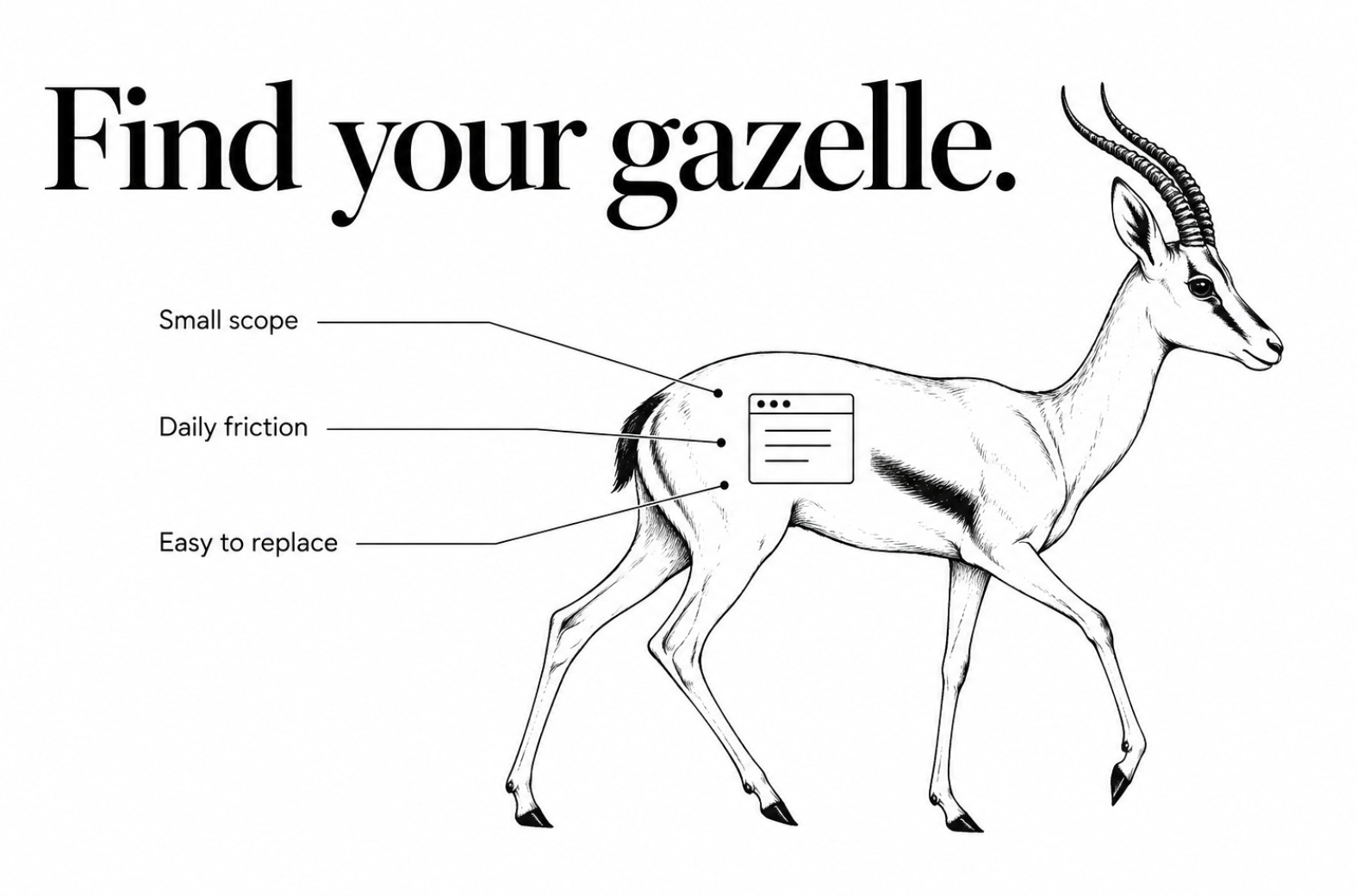
A gazelle is a tool you use in your business that is easy to be picked off.
A gazelle usually has as a relatively small footprint to start and people hate using it and they are desperate to try anything in its place.
For us it was the contract maker.
The footprint of our contract maker was relatively small and the annoying thing about PandaDocs was that you had to manually paste things into the contract. It took ages.
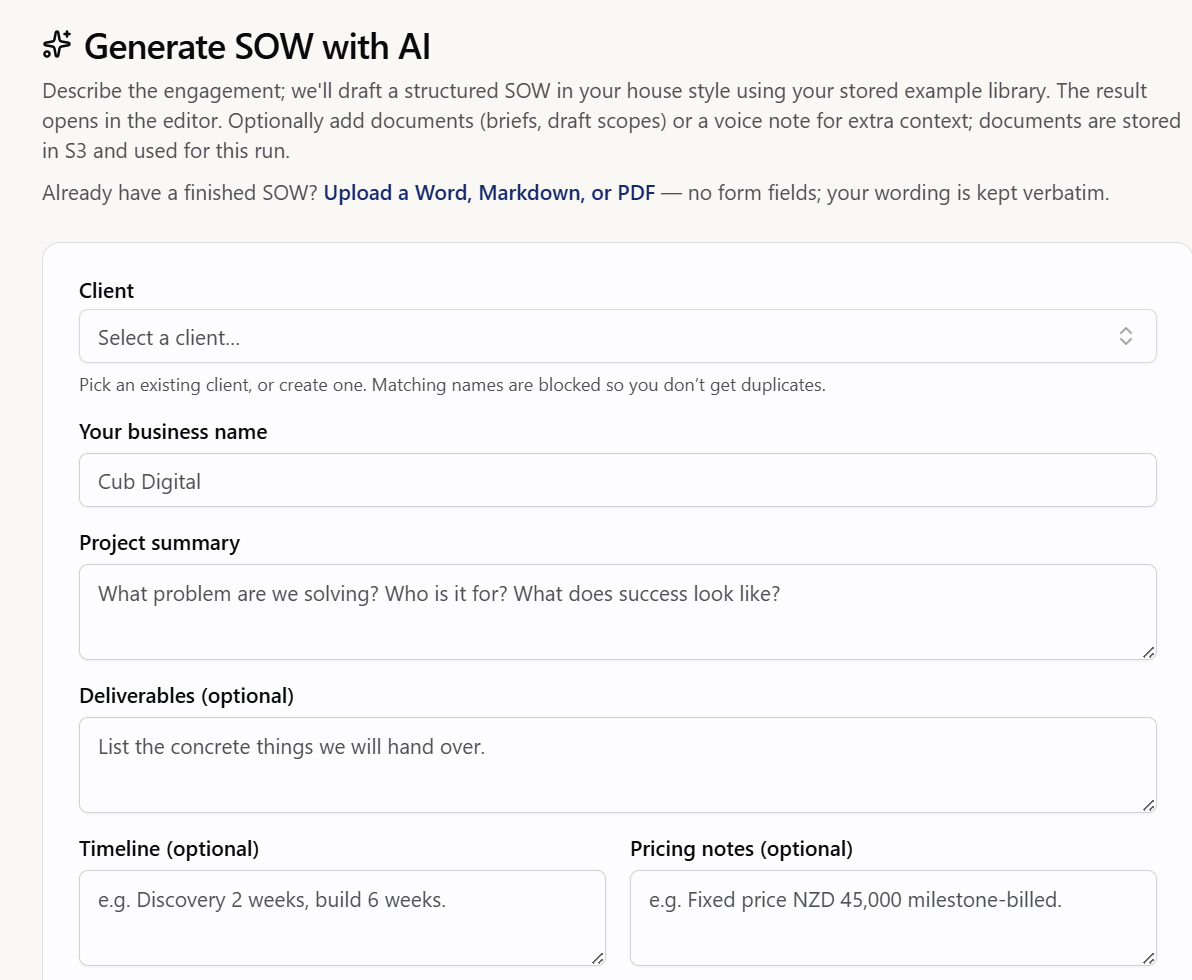
We added this generate with AI feature and instantly this product was better than PandaDocs for us.
Now we can generate a statement of work in a few clicks.
Now we do a pincer move
What I call the pincer move is this.
You add one brilliant feature to make the product way cooler
You cut as many features as you can to make the product less crappy.
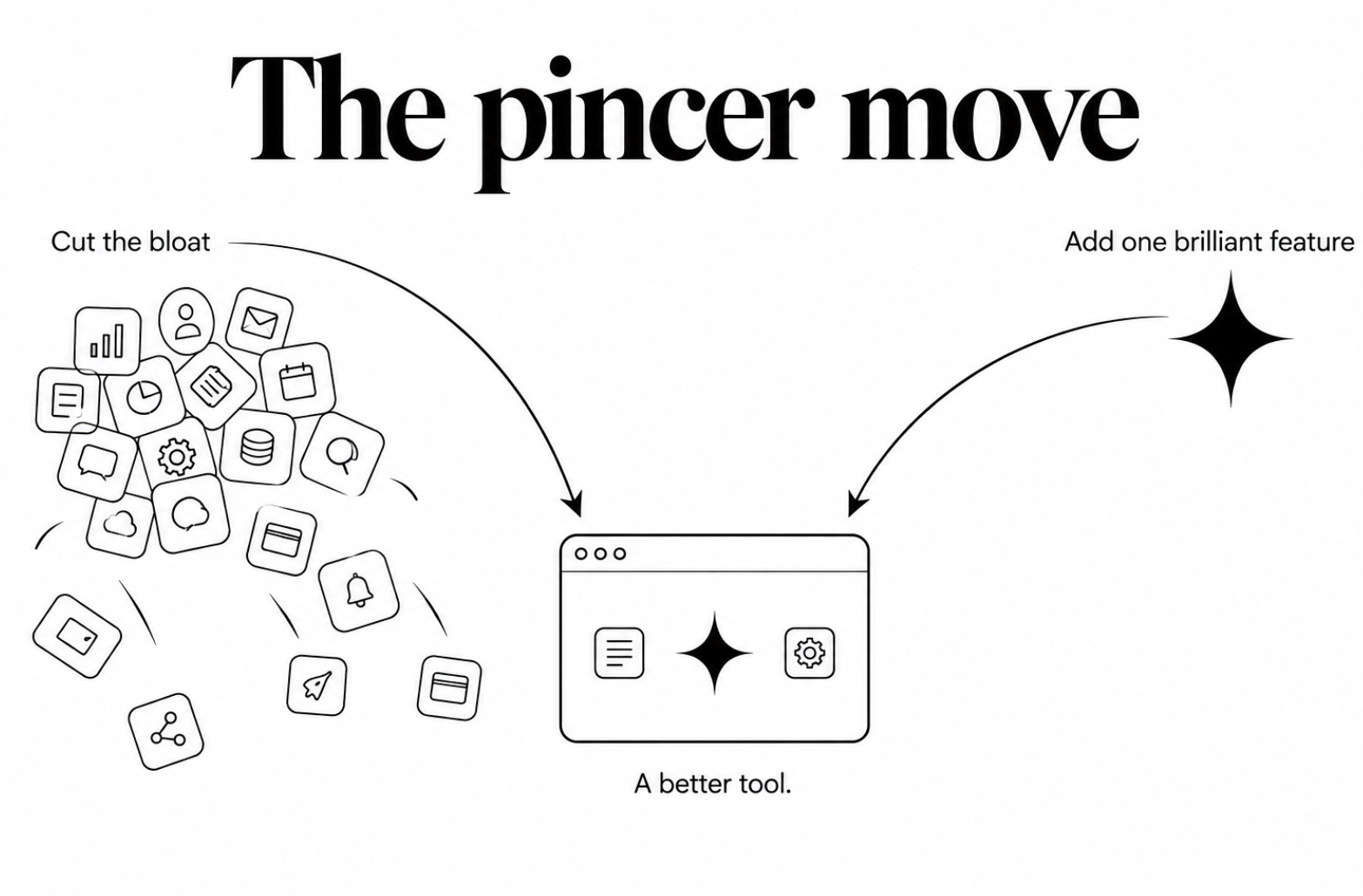
By doing these two things you can usually build a first version of a system that you want in 1 week.
I expect the savings number to go up
I’ve saved close to $20,000 this year and I expect that number to continue to increase over time. If you are a CTO you should keep a ledger of how much you are saving and constantly track that number over time.
If you do nothing else with AI, this strategy can save you serious money over a 5 year time horizon.
Build one tool at a time
One of the things we have done is just focus on one tool at a time. This allows you to chip away at your systems and it makes change management easier.
In conclusion
Honestly if you haven’t got some grand plan to take over the world just do this.
Post Publishing note
Gary J. Foreman asked me in the comments section about the opportunity cost and the time this takes to develop, I give a breakdown of that in reply to his comment.
Book Club

This is all about the build up to the civil war and Abraham Lincoln. Erik Larson is my favourite history author because he tells stories in a really interesting way. It is hard to describe just how good he is. I’ve read the paperback version but I think it would make a great audiobook.
View the book on Amazon here.
I’m an Amazon affiliate, if you purchase the book I get a small commission.
Other articles I wrote this week
Chris, another good read - thanks for sharing.
While I agree that many services have unnecessary functionality or don't work how you'd like them to, and that building your own, more focused versions of certain software/services can be better in the near/long term; viewing the savings simply as what you're no longer paying for doesn't reflect the true cost.
How much did developing your custom versions cost?
How do you account for the opportunity cost of doing so?