
+1 Thinking: The Discipline That Will Define the 2020s
How Google, OpenAI, and Amazon point to the same truth

This was Google in the year 2000.
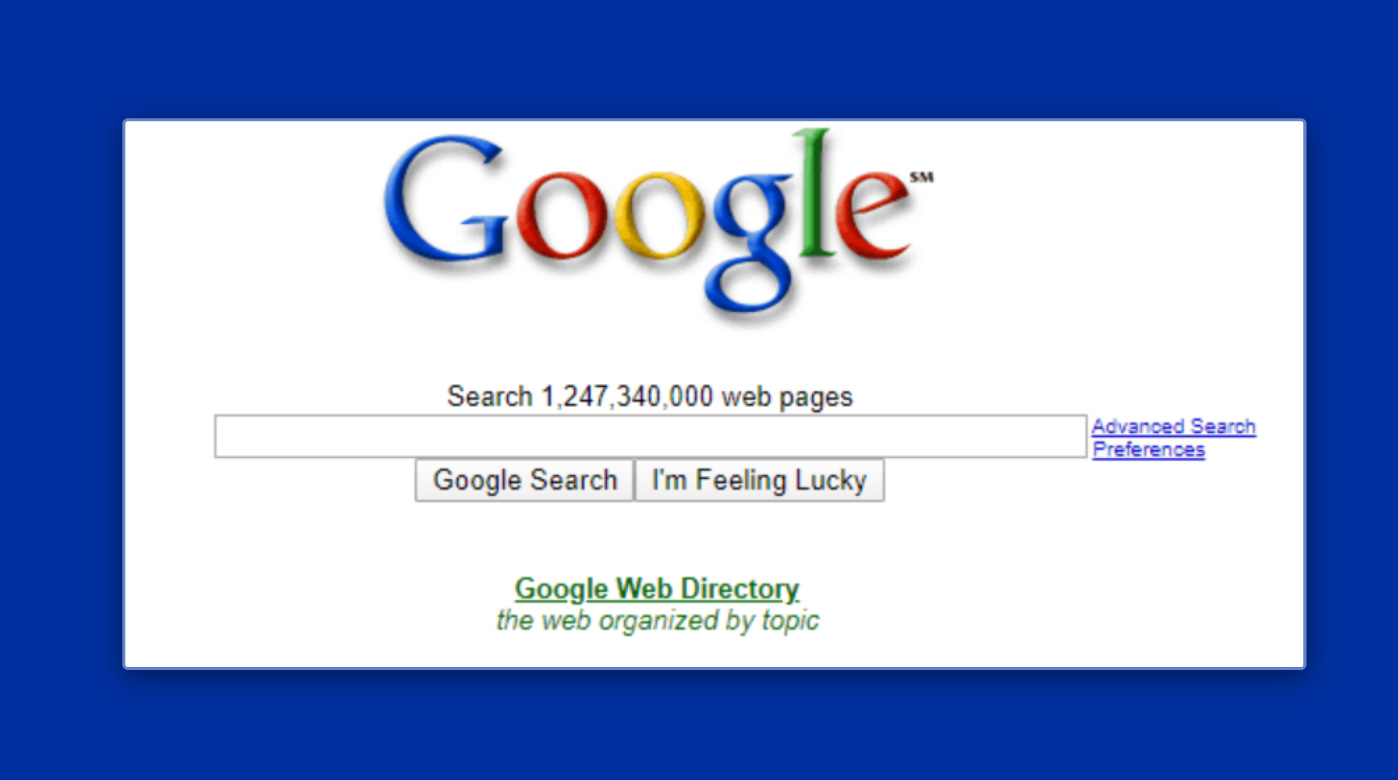
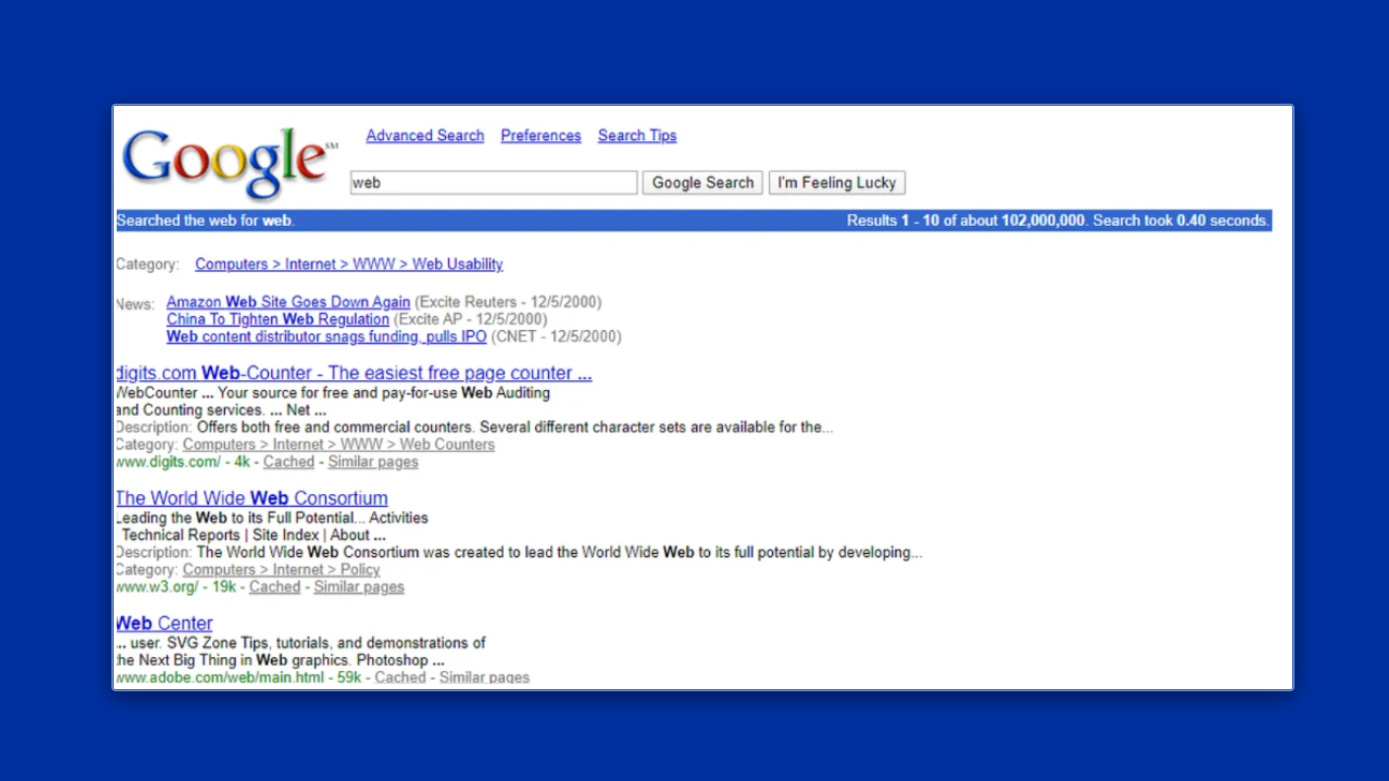
For 25 years, their business model has been elegantly simple:
Show ten blue links
Let users click through
Collect advertising revenue along the way.
That was enough for them to earn more than my entire country last year.
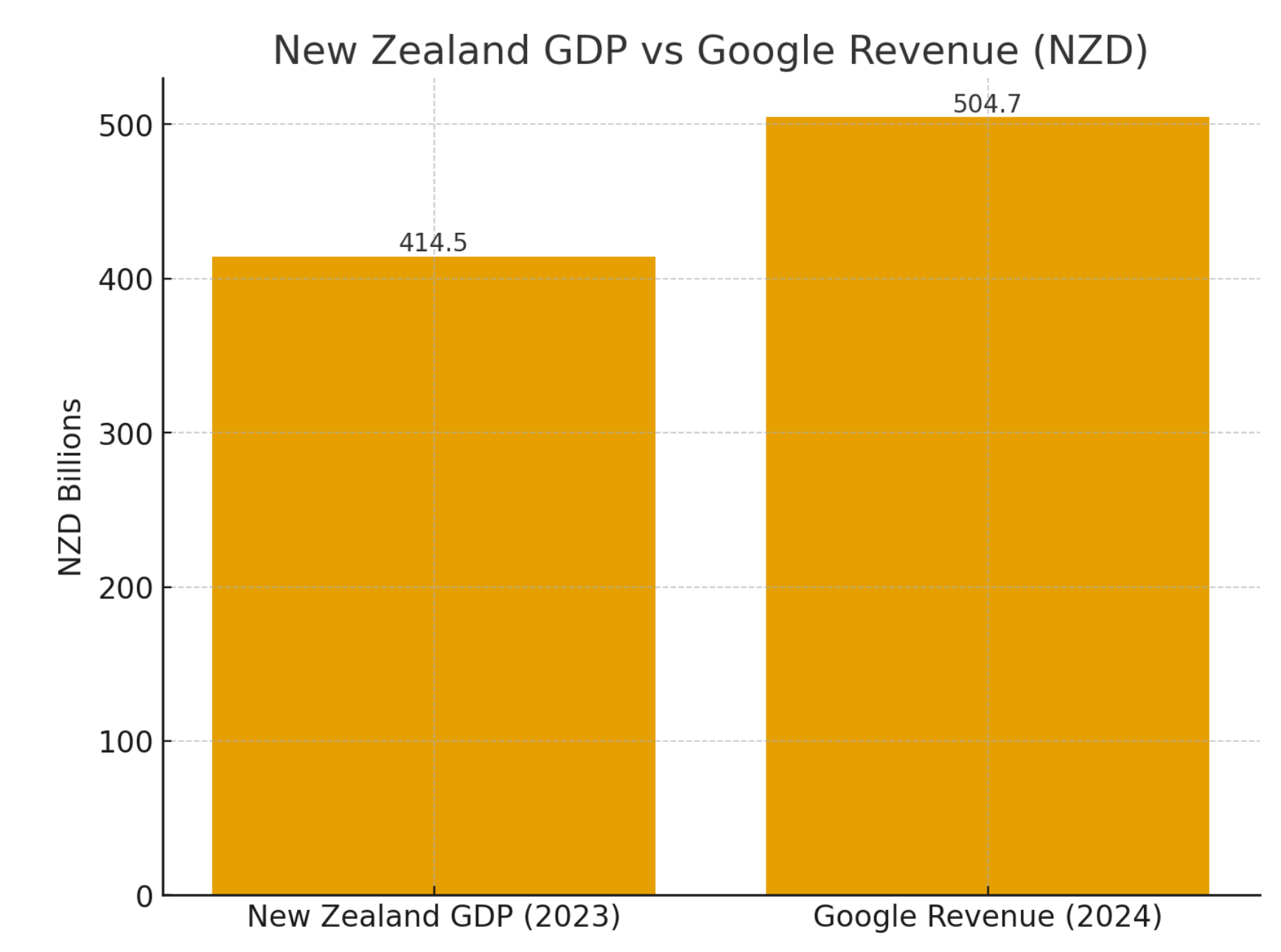
Google now has an army of 190,000 employees.
For 25 years we all got used to a certain way of searching
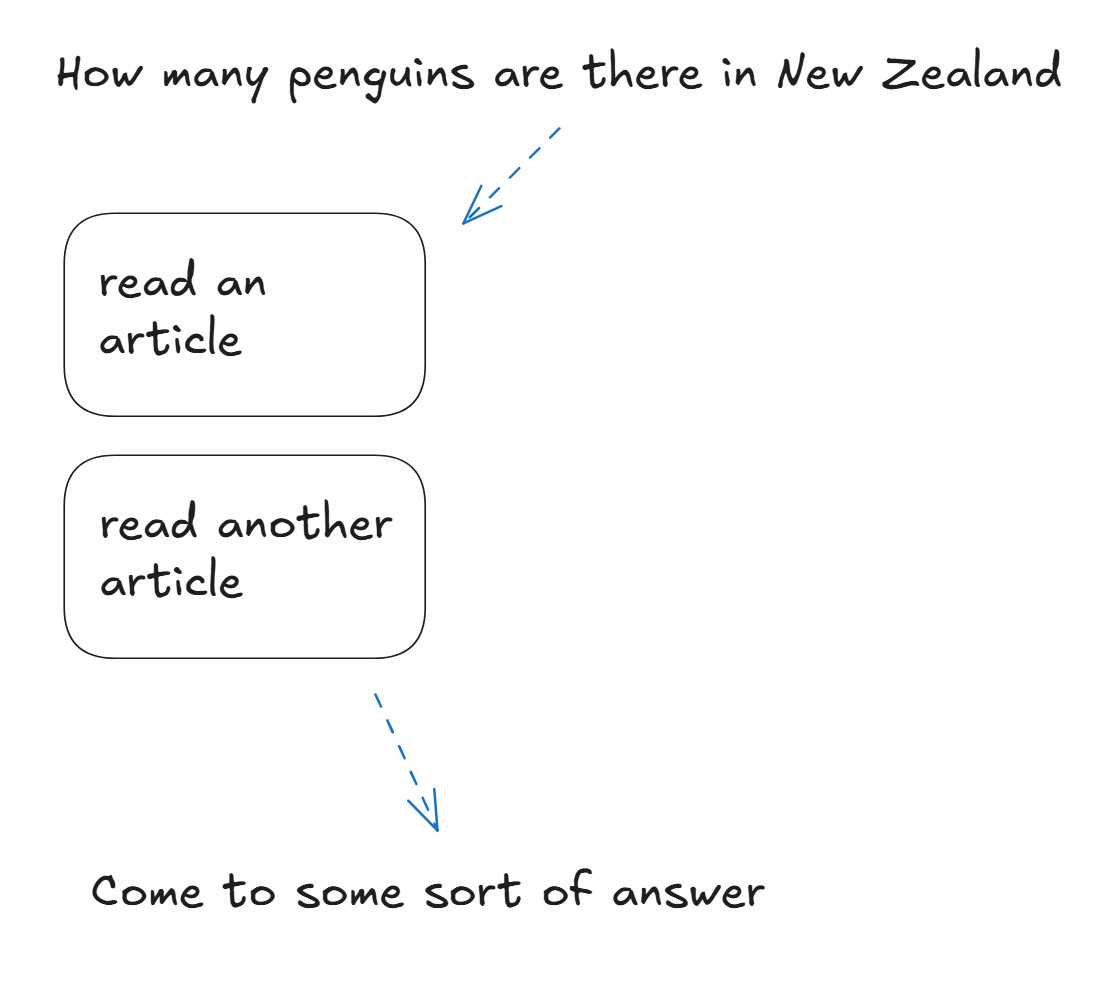
You searched a thing, clicked an article and bounced around until you were somewhat satisfied with your answer.
Then along came a small company with a chatbot
OpenAI had 375 employees and a chatbot. You entered a search and got the answer to your question.
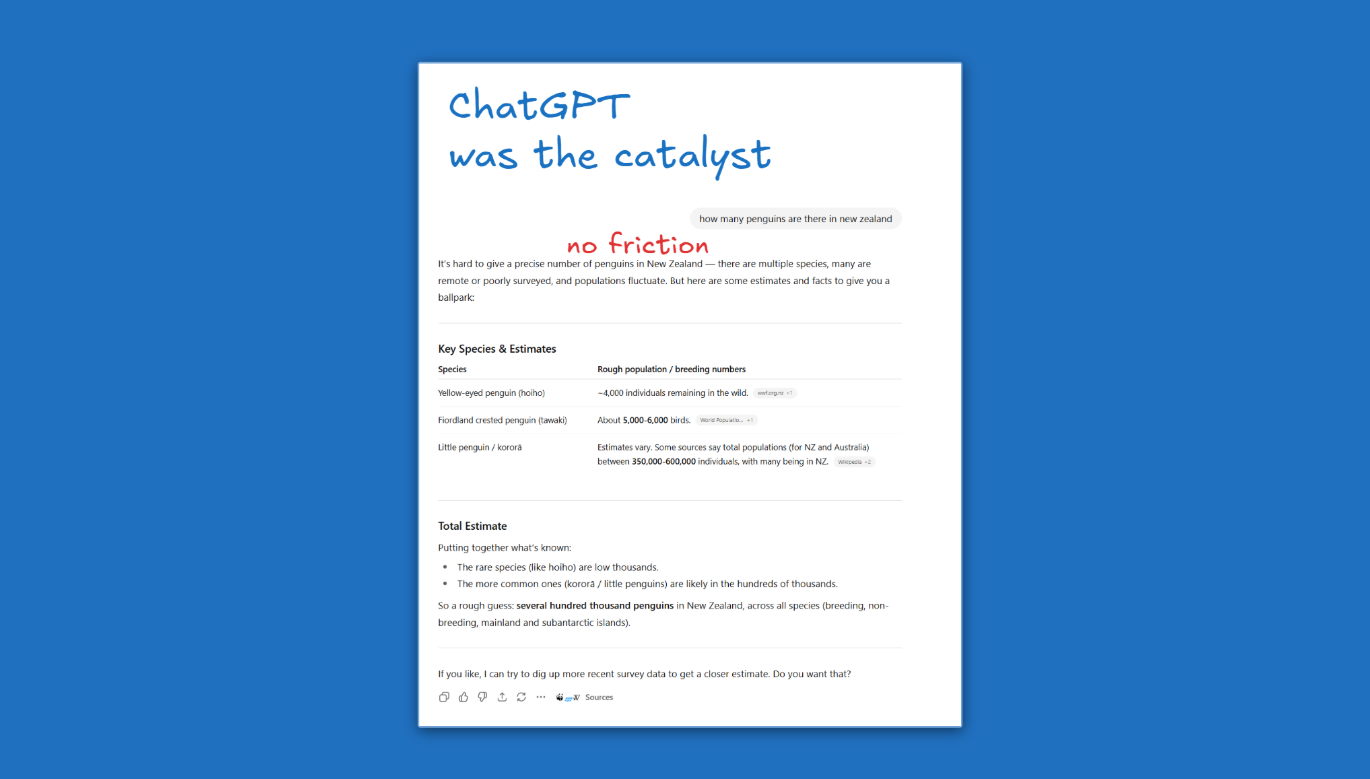
Suddenly the same old blue link system was under threat.
Have you noticed what happens when you Google things now?
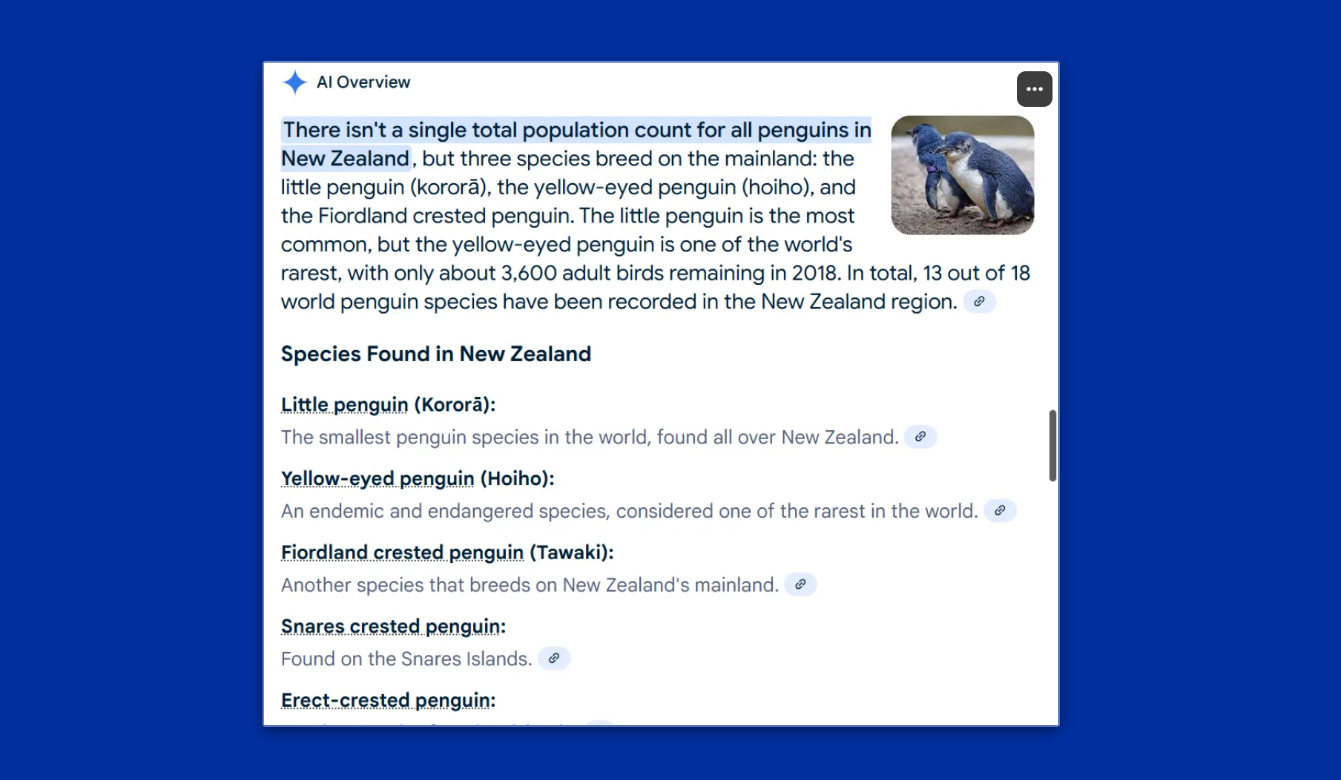
Zooming out a bit, we now live in a two world system. The orange area is what I call the new world and the blue area is the old world.
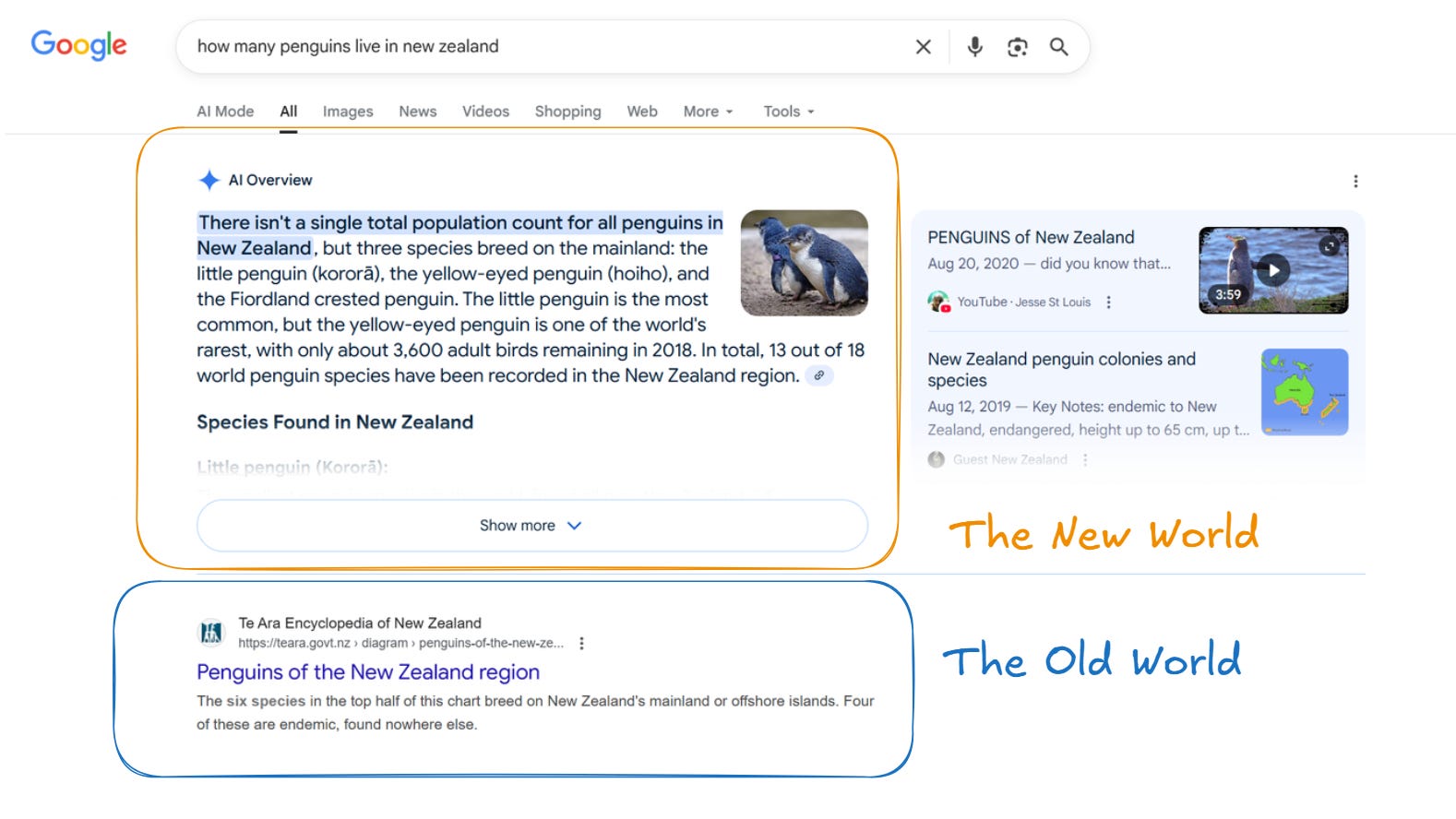
All because of a little Chatbot by OpenAI.
So how did this happen?
This seems like a terrible move for Google’s traditional business model.
When you show an AI-generated answer instead of ten blue links:
Page views drop
Ad impressions plummet
Dwell time vanishes
Revenue per search craters
Yet, Google has scrambled to add AI-generated answers at the top of search results.
Users never asked for this. Advertisers never asked for this. So why did they do it?
The answer is simple.
OpenAI showed the world what users actually wanted all along:
not links to answers, but the answer itself.
This shift, from presenting options to delivering outcomes, I think is the most important strategic insight you'll process this year.
I call it "+1 thinking" and it's about to remake every industry.
Defining +1 thinking
Here is the question I want you to ask yourself: over and over and over again.
"What would the user want to do next?"
Six words. One mental shift. The difference between building products for the past and building products for the future. I’d argue it’s also the difference between building a business for the past and a business for the future.
+1 thinking is the discipline of anticipating and eliminating the user's next step before they take it.
It's the art of collapsing decision trees into single actions. It's the science of predicting intent and delivering outcomes. It’s also recognising that every decision you force a customer or user to make it a tax on their time, energy and goodwill.
What +1 Thinking Is
+1 thinking is predictive product design.
+1 thinking is cognitive offloading.
+1 thinking is the death of the list.
In practice, this means products move from being passive tools to active guides. They anticipate your next step, remove the weight of repetitive decisions, and replace endless lists with direct answers.
The experience shifts from searching and sifting to simply doing.
What +1 Thinking Isn’t
+1 thinking isn’t cutting options.
+1 thinking isn’t AI-only (Amazon Buy Now is a good example).
+1 thinking isn’t about reducing choice to a single path.
The point isn’t to strip things away or lock you in. The full catalogue remains, and you still have freedom to explore. The shift is in the default: from “browse everything” to “get the thing you actually need.” Sometimes AI powers this, sometimes it’s just smart design, like Amazon’s “Buy Now” button.
The Paradox of Choice
Barry Schwartz warned us about the paradox of choice in 2004. Too many options lead to decision paralysis, regret, and dissatisfaction.
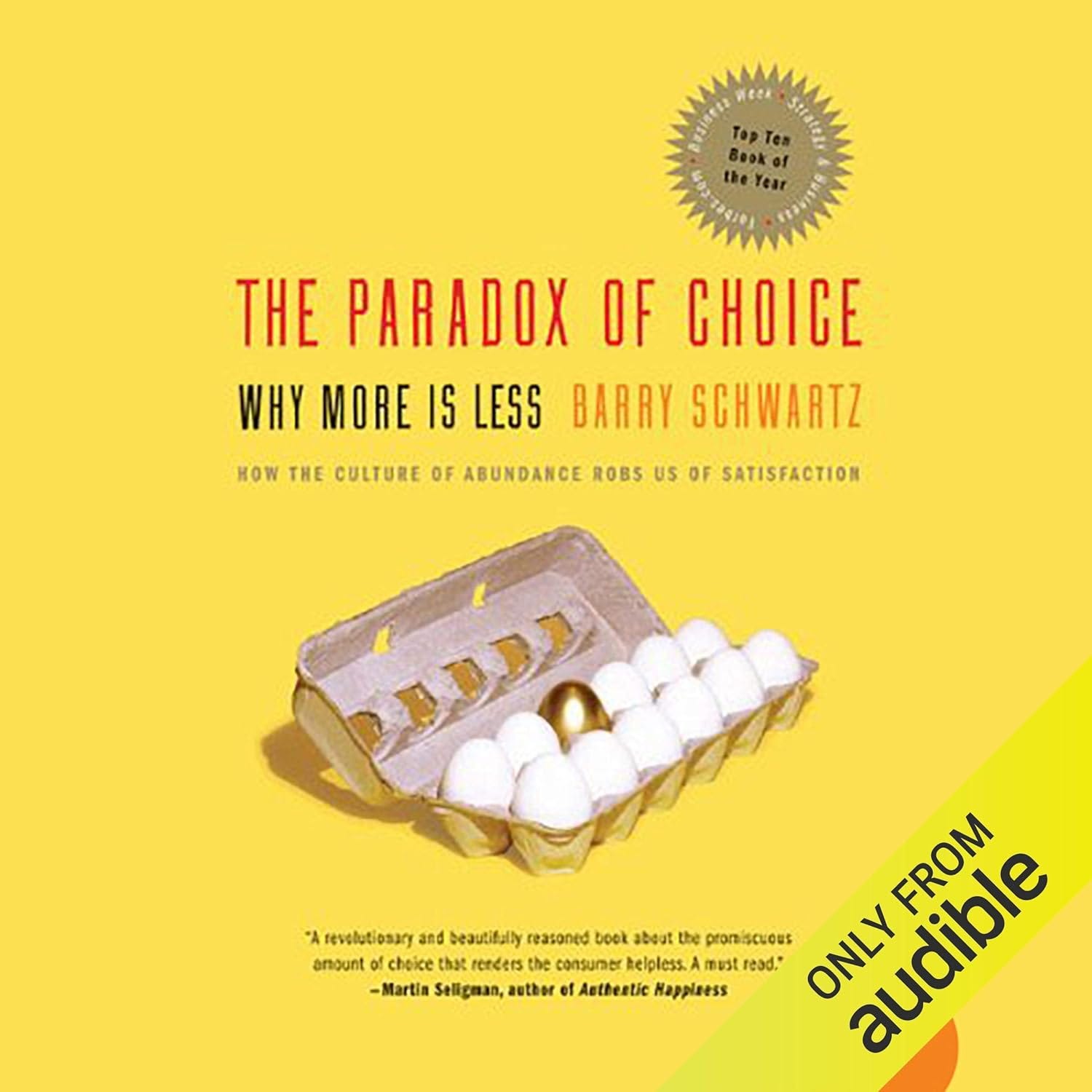
This is a great book that you can listen to on Audible here.
Even though this book came out 20 years ago, we all nodded along, then went back to building products with infinite scroll and 47 variations of the same SKU.
But AI changes the calculus entirely. When you can predict with 90%+ accuracy what a customer actually wants, why show them 100 options?
Consider Airbnb
Today, searching for accommodation in any city returns 1000+ listings. You'll spend 45 minutes comparing amenities, reading reviews, checking locations. It's exhausting. It's inefficient. And most importantly, it's unnecessary.
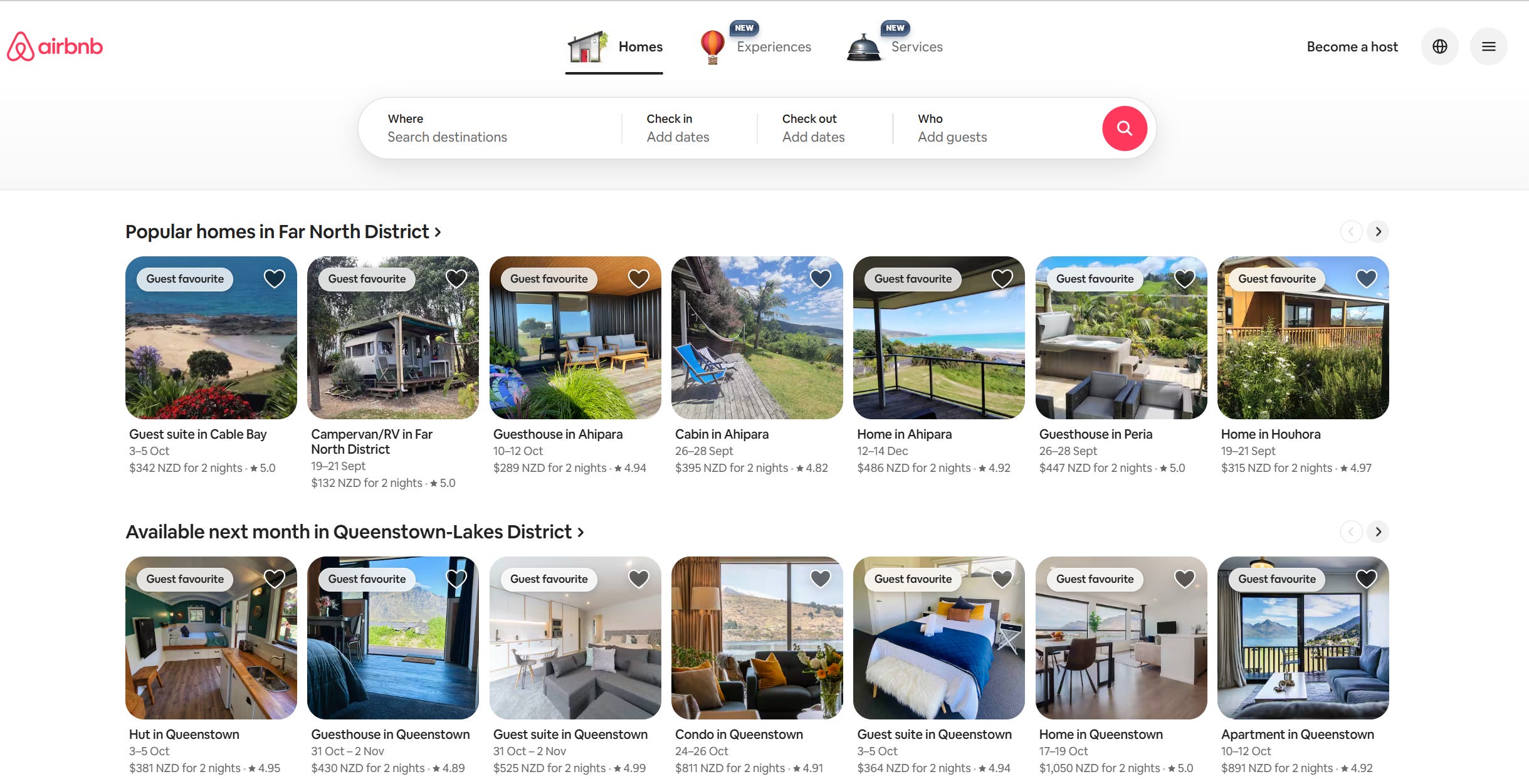
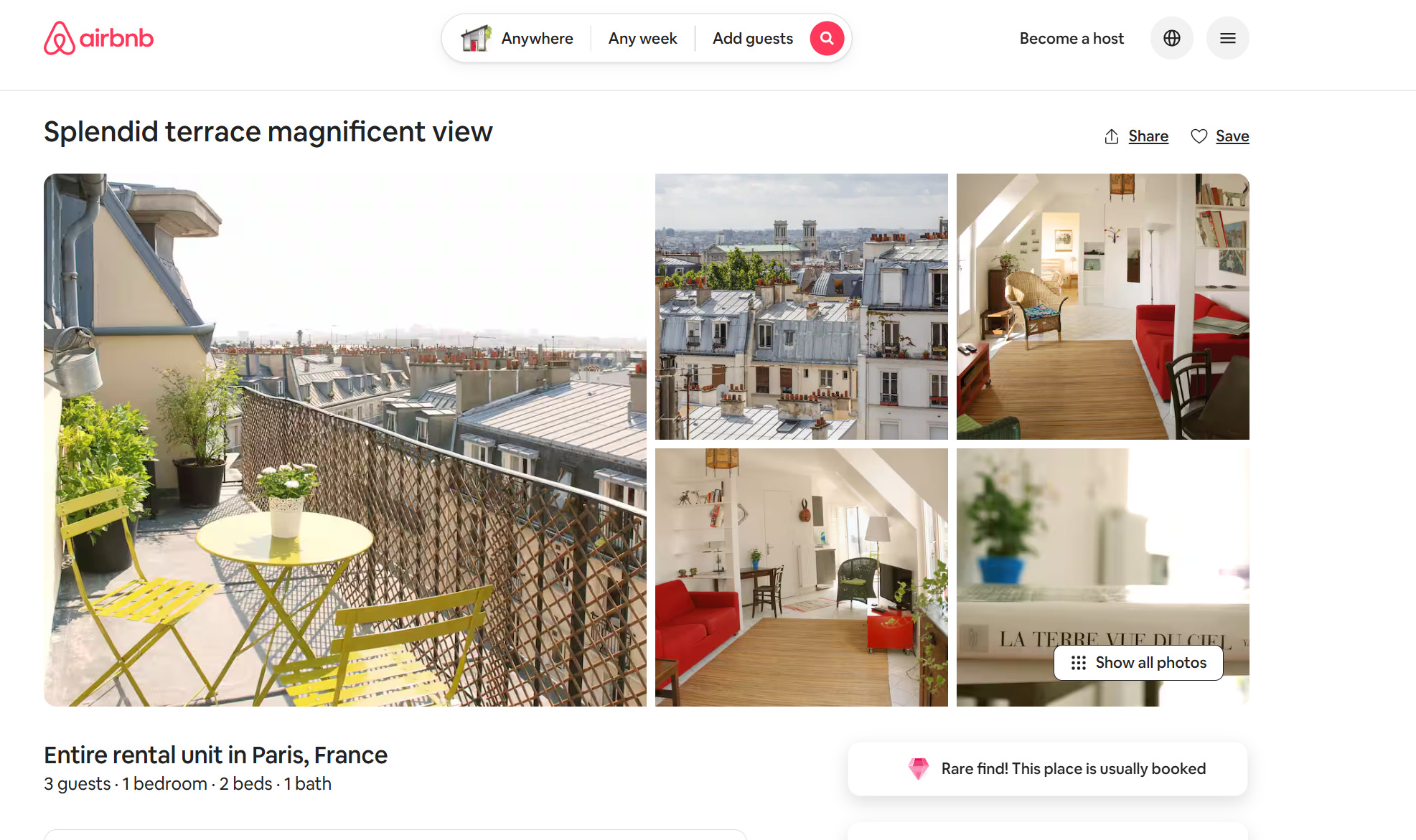
The +1 version of Airbnb doesn't show you 300 options.
It shows you three. Maybe five. Or ten if you really want.
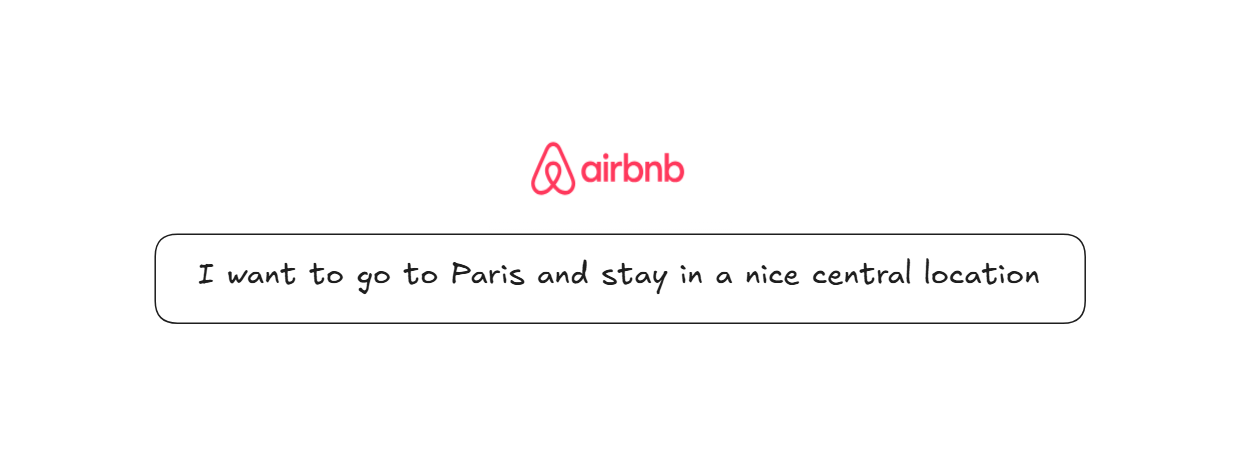
Each perfectly calibrated to your preferences, past behaviour, and current context. Not because Airbnb is limiting your choices, but because it's doing the choosing for you.
+1 Thinking is a historical trend
+1 thinking isn't new. It's the digital manifestation of a timeless service principle:
1908: "Any color as long as it's black" - Henry Ford practices +1 thinking
1950s: TV dinners eliminate meal planning decisions
1990s: TiVo records shows without daily programming
2000s: iTunes Genius creates playlists automatically
2010s: Tesla updates cars overnight without service visits
2020s: ChatGPT provides answers without requiring search
+1 thinking is everywhere. Every time you go into an elevator and the door automatically opens, that’s +1 thinking (they used to be opened manually.)
Every time you use payWave on your credit card, that’s +1 thinking.
The +1 Test
Is your product practicing +1 thinking? Apply this test:
The Stranger Test: Would a stranger achieve their goal in under 60 seconds?
The Habit Test: Do returning users see personalised defaults?
The Prediction Test: Do you anticipate needs or just respond to them?
The Friction Test: Can you eliminate 80% of current steps?
The Outcome Test: Do you measure completion speed or engagement time?
Building Your +1 Muscle
Transform your next product review with these questions:
The Step Count Test: Map every step between intent and outcome. Can you eliminate 80% of them?
The Prediction Audit: List 10 things you could predict about each user's next action. Are you using any of them?
The Default Analysis: Examine your defaults. Could you make things easier.
The Cognitive Load Calculator: Assign a "think cost" to every decision. What's your total tax on users' mental energy?
If you're a startup founder, your playbook is simpler:
1. Find an industry drowning in complexity
2. Pick one workflow that makes users think too hard
3. Build the +1 version that eliminates those thoughts
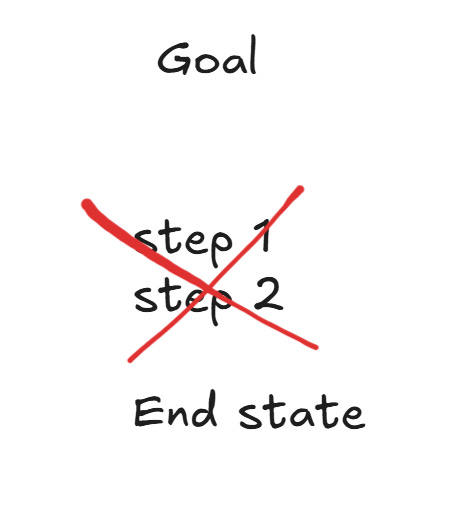
+1 Thinking in a nutshell
Bookclub
I am basically a ChatGPT wrapper on books as a human being. So I thought I will just do a weekly bookclub in the newsletter of what I’ve been reading.
Tiny Experiments by Anne-Laure Le Cunff
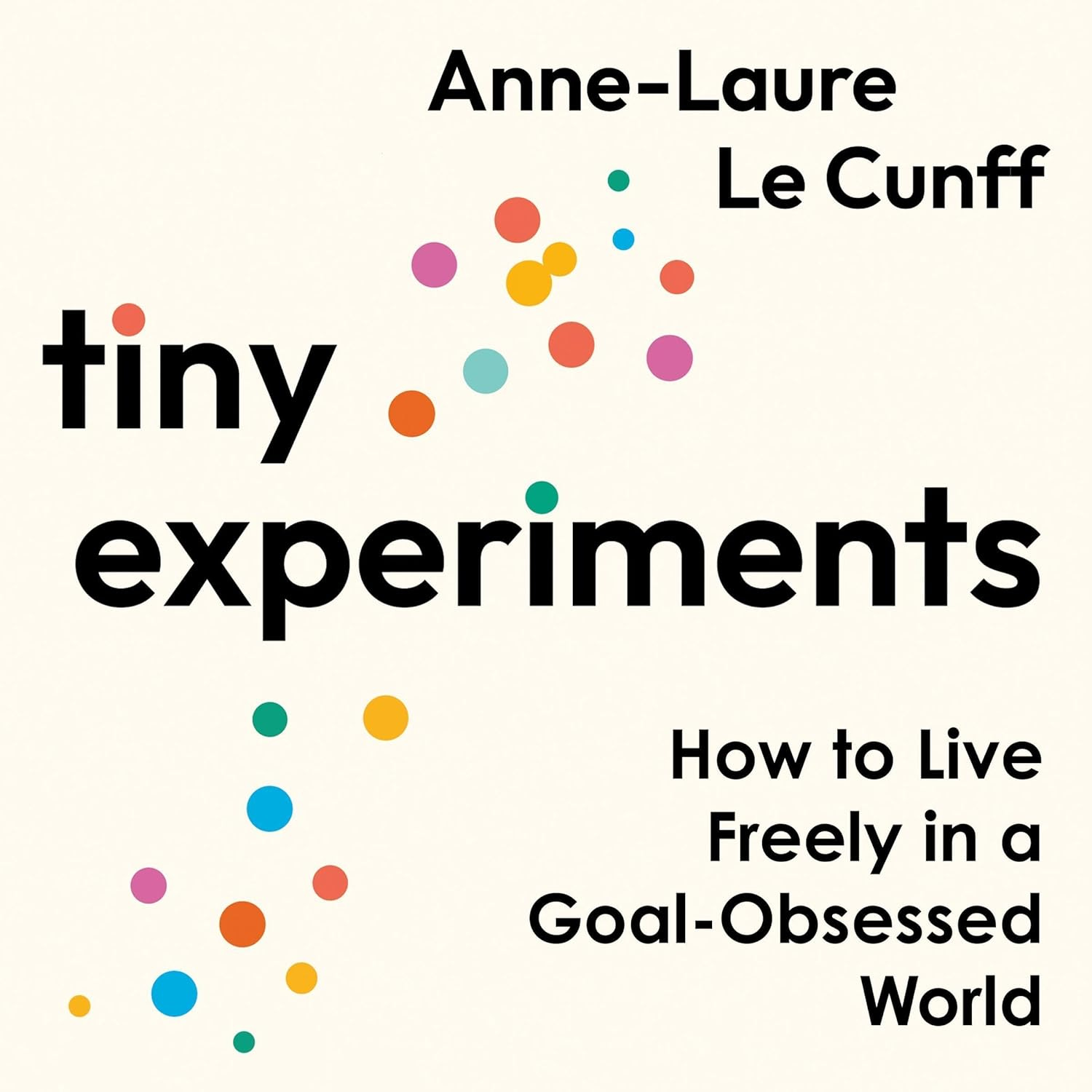
Anne-Laure Le Cunff’s Tiny Experiments is a reminder that life doesn’t have to be a relentless chase for goals. Instead of obsessing over big outcomes, she makes the case for trying small things, following curiosity, and seeing where it leads.
It’s simple, practical, and freeing. If you’ve ever felt weighed down by endless to-do lists or the pressure to constantly achieve, this book gives you permission to step back and live with a lighter touch—while still moving forward in ways that matter.
Get the Audiobook/kindle book here
The Mysterious Case of Rudolf Diesel
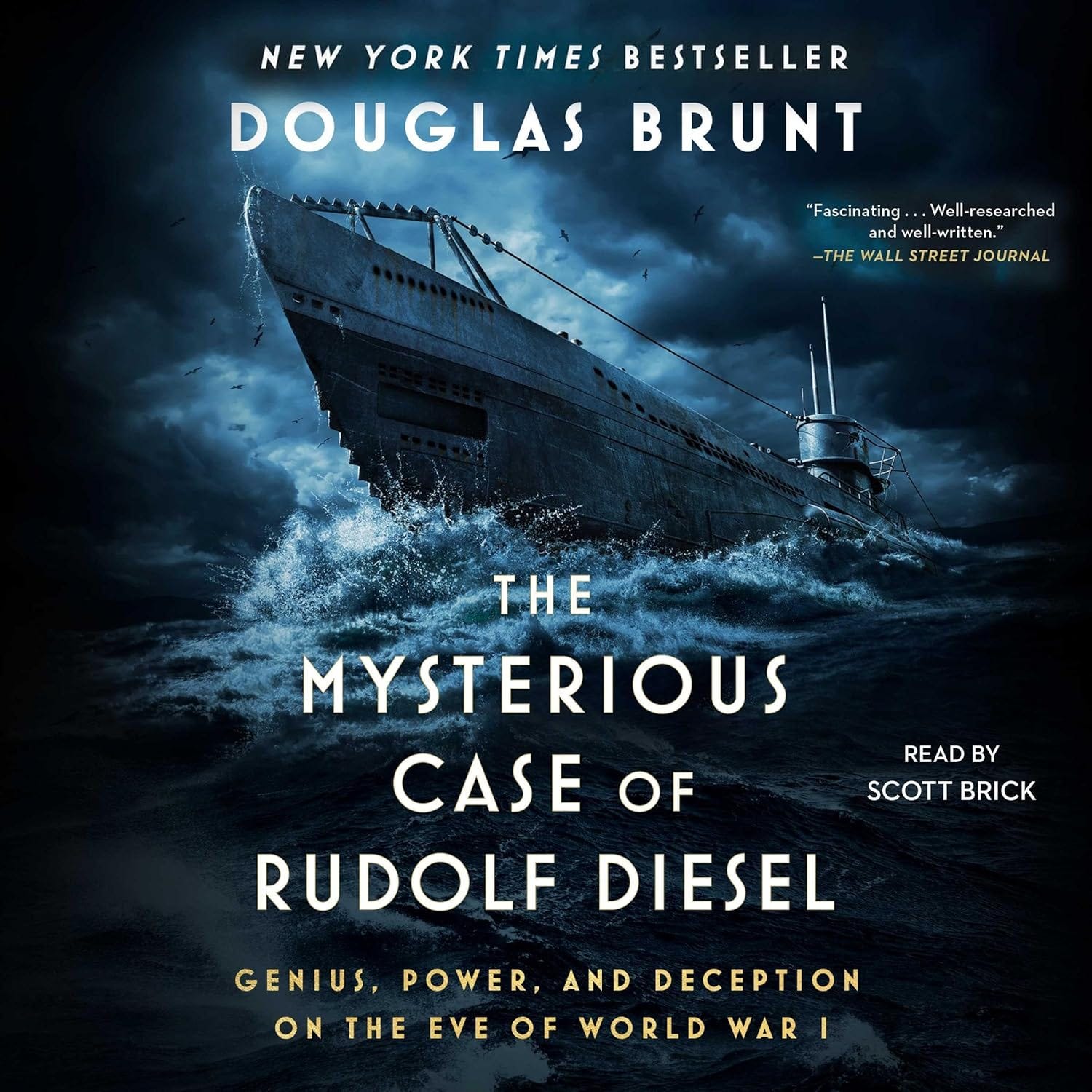
I’ve been banging on about this book all week at work. Now I know it’s niche, but if you are slightly into history then hear me out.
Douglas Brunt’s The Mysterious Case of Rudolf Diesel reads like a mix of true crime and spy thriller, but it’s all real history.
It unpacks the strange disappearance of Rudolf Diesel, the man behind the diesel engine that reshaped industry—against the tense backdrop of Europe on the brink of World War I.
It’s a story of invention, intrigue, and power plays, told with enough suspense to feel like fiction. If you’re into history that doesn’t feel like homework, this book will pull you straight into the mystery and keep you hooked right through.
Get the Audiobook/kindle book here.
Note: I’m an Amazon affiliate. If you purchase a book, then I make a small commission on the purchase. It helps to support my ridiculously expensive reading habit and is much appreciated.
Other articles I wrote this week
Paid Subscribers
If you haven’t had your call with me then please email me at chris@cubdigital.co.nz to arrange a time if you want that. I’ve been enjoying the calls very much and it’s been a pleasure to meet you and hear about your epic businesses!